
-1.svg)
The way brands create and present product visuals has been revolutionized by CGI furniture. Around 60% of top furniture companies using CGI for product visuals are moving away from traditional photography, and 96% report higher online sales after adopting visual commerce tools.
Why? Because the old way is no longer sustainable. Studio rentals, large photo crews, prototype shipping, and long setup times make content creation expensive, slow, and creatively limited. It’s a bottleneck that stifles innovation and delays product launches.
CGI renderings (computer generated imagery) replace all that with a single high-quality 3D furniture model. It lets you create realistic images in any setting, with any material, and from any camera angle—without needing physical products or costly reshoots.
In 2026, CGI furniture has become the new standard for furniture marketing. It helps you launch products 3-6 weeks faster, cut visual production costs by 60-90%, and create consistent, scalable visuals across every channel—web, social media, print, AR/VR, and more.

In this guide, we’ll break down what CGI furniture is, why it’s a game-changer for your business, and how to choose the right partner to bring your visuals to life.
What Is CGI Furniture?
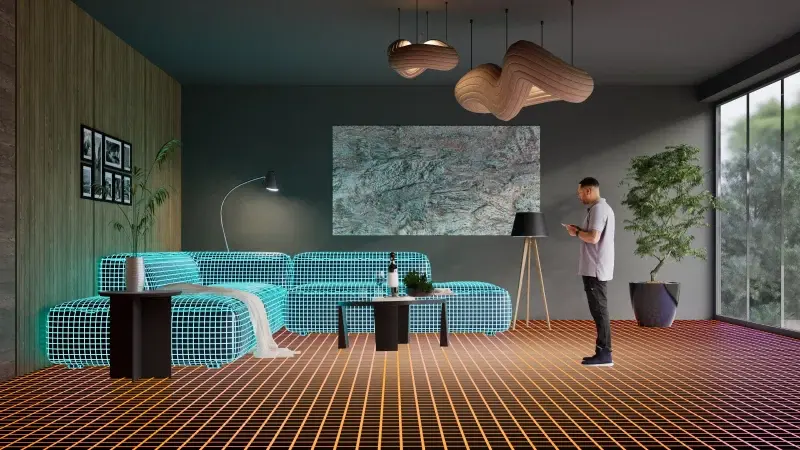
CGI furniture is the process of creating images using advanced 3D rendering software to create lifelike product images without photographing the actual product. Instead of building a physical prototype and booking a photo shoot, brands create a 3D model of their product (like a sofa, chair, or table) and render high-quality images directly from it.
This 3d model is a precise digital copy of your product that captures every detail: fabric texture, stitching, and how light reflects off the surface. It captures the essence of the final product with a level of detail that is often even better than a photograph.
Once ready, you can place this model in any virtual environment. For example, a photo studio with a plain white background for clean product shots on your website, a cozy Scandinavian living room for lifestyle ads, or a modern New York loft to showcase your furniture in a trendy urban environment. Colors, materials, lighting, camera angles, and backgrounds can all be changed instantly.
In essence, CGI gives brands their own virtual studio—open 24/7, infinitely scalable, and limited only by imagination.

How Is CGI Furniture Made?
Creating CGI furniture visuals is a detailed, step-by-step process. Each stage ensures the final images are realistic and effective for visual marketing, helping your business save time and costs.
-
3D Modeling. The process starts by building a 3D model of the furniture. This includes its overall shape, proportions, hardware, structural elements, and fine details like seams, joints, and handles. The accuracy of this model forms the foundation for the final realism.
-
Texture and Material Setup. Next, the 3D model is “dressed” in digital materials that mimic real surfaces. Surfaces like fabric, wood, metal, and glass are carefully refined by adjusting texture, color, reflectivity, and roughness.
-
Lighting. Lighting is set up to highlight the furniture’s shape and materials, creating realistic shadows and reflections.
-
Rendering. Finally, the computer processes all the elements—the model, textures, and lighting to create high quality images.
.webp?width=800&height=560&name=3D%20furniture%20rendering%20in%20minimal%20interior%20using%20advanced%20cgi%20tools%20(1).webp)
The final visuals come in many forms: clean silo images, lifestyle scenes set in virtual environments, or dynamic animations. This versatile content is perfect for catalogs, online stores, VR showrooms, marketing campaigns, and more—helping you attract more customers with detailed, consistent, and engaging product presentations.
Why Furniture Brands Are Switching to CGI in 2026
Furniture brands are moving to CGI for real business benefits. As a functional sales tool, CGI can boost online conversions by 45% and help launch new products 30% faster.
Let’s break down exactly why so many brands are making the switch.
1. Realistic Product Visualization
CGI furniture delivers unmatched detail, capturing everything from the fine texture of fabric weaves to the subtle reflections on polished surfaces. This level of realism helps potential buyers: it builds buyer trust, reduces uncertainty, and removes the need for in-person product viewing.

2. CGI Product Animation
Beyond static images, CGI allows to showcase furniture in motion—like reconfiguring a sectional sofa or highlighting ergonomic product features. These product animations deepen brand storytelling, capture attention, and ultimately boost sales. In fact, companies that use video marketing typically see a 49% increase in revenue.
3. Unlimited Customization & Variations
A single 3D model can generate unlimited color, material, configuration options, eliminating the need to photograph each SKU and enabling large assortments online at minimal extra cost.
4. Lifestyle & Contextual Scenes Without Real Sets
Creating engaging scenes is one of the biggest challenges of classic photography: it’s expensive, time-consuming, and limited by physical space and props. CGI solves this with ease. Furniture products can be placed in any environment—from sleek urban apartments to cozy country homes—without the expense or complexity of real-world staging. It also allows fast A/B testing of different scenes across multiple markets.
5. Omnichannel Marketing
The same 3D model works for web, ads, catalogs, Augmented Reality (AR) and Virtual Reality (VR).Customers can visualize your furniture in their own spaces for a truly immersive shopping experience that leads to improved customer engagement.
6. Faster Time-to-Market
Photography can take weeks. With CGI, once the models are ready, visuals can be produced in a day (93-98% faster). You also don’t need to wait for the final product to be manufactured–marketing materials can be created as soon as the design is approved. For example, you can start a promo campaign even before the product hits production.
7. Cost-Efficiency Compared to Photoshoots
In the long run, CGI furniture visualization can be up to five times cheaper than photoshoots. No need to transport heavy items, hire photographers, or rent studio space. A single 3D model is reusable across seasons and channels, lowering per-SKU asset cost.
8. Higher Conversion Rates with Better UX
Realistic visuals and 3D animations make the shopping experience clearer and more engaging—leading to 94% higher conversion rates and increased online furniture sales.
9. Improved Online Engagement & Lower Returns
Rich, realistic CGI visuals give customers a full, accurate view of your product from every angle. By setting clear expectations, shoppers make more confident choices, reducing return rates by up to 40%—a major cost-saver for any furniture business.
10. Sustainable Workflow
CGI reduces waste and emissions since there’s no need to produce, ship, or photograph physical prototypes. According to Saddington Baynes, CGI is over 50% more carbon efficient than photography, supporting a brand’s ESG goals.
How Furniture Companies Use CGI Today
Furniture companies face two main challenges: producing high-quality visuals and doing it fast. Large brands spend heavily on photoshoots and logistics to capture global collections. Startups struggle with limited budgets and can’t afford to photograph every product variation.
CGI solves both problems. It creates high-quality visuals without physical samples, allows instant changes to colors, materials, and various settings, and delivers ready-to-use visuals in days instead of weeks.

Below, we will take a closer look at various use cases for different types of businesses.
E-Commerce Retailers
Online retailers rely on CGI to showcase large product catalogs. They create high-quality silo images on white backgrounds, lifestyle renders to show furniture in realistic rooms, and 360° spins or animations to give shoppers a full product view. This scalable approach ensures visual consistency across websites, apps, and marketplaces.
DTC Furniture Startups
CGI provides direct-to-consumer furniture startups with a cost-effective way to enter the market. It allows them to test demand, refine designs, and launch products with minimal risk. High-quality CGI visuals also support pre-launch marketing and crowdfunding pages, helping startups generate buzz and show investors a realistic preview of the final product.
Interior Design Brands
Brands in interior design and boutique furniture use CGI to present their products in fully styled, photorealistic interiors. This enables faster client approvals, fewer revision cycles, and shorter preparation times for presentations and design projects, while clearly showing how each piece fits into a space.

Manufacturers Showcasing Modular Products
For modular furniture manufacturers, photographing every product variation means long lead times and high costs. CGI delivers all configurations from a single 3D model, enabling instant visuals for marketing, faster launches, and better inventory decisions by gauging demand before production. As a sales toolkit, it lets reps present final layouts live, cut the need for on-site mockups, and close deals faster.
5 Real Furniture Brands Using CGI to Scale Product Visuals
CGI is widely used in the furniture industry. These five furniture brands using CGI are just a few examples of companies leveraging it to scale product visuals:
IKEA. As a global retailer, IKEA must adapt its 12,000 product catalog to diverse design preferences across markets. Traditional photoshoots in each country would require massive budgets and months of work. Instead, more than half of IKEA’s catalog visuals are CGI, enabling rapid adjustments to textures, colors, and room settings to match local tastes and current trends—without shipping products or staging shoots. The approach also supports creative campaigns, like its 2020 ads, where CGI characters replaced human models to speed production.
Wayfair. One of the largest e-commerce retailers, Wayfair manages thousands of SKUs from different suppliers, leading to inconsistent photo quality and formatting. CGI solves this with standardized 3D models and render templates, producing visuals in a unified style (clean white-background shots, lifestyle scenes). The result: faster loading of new SKUs, a consistent shopping experience, and lower time and costs for manual editing.
.webp?width=800&height=800&name=1121%20(1).webp)
West Elm. As a premium brand with a large catalog, West Elm prioritizes best-sellers for studio photography and video to showcase their quality in the most authentic way. The rest of the catalog is produced in CGI, which allows the brand to scale content production quickly and update colors, materials, and settings without new photoshoots.
Because every CGI asset is a 3D model, West Elm can also offer interactive 3D product visualization and virtual try-on. This lets customers see how furniture pieces fit into their own spaces before ordering. In West Elm India, this feature attracted high-profile buyers, including Bollywood celebrities, and drove an 8.8% increase in conversion rates within 90 days.

CB2. CB2 is a modern brand with a minimalist aesthetic. They demand precise visuals where every angle, shadow, and material is flawless. On their Inspiration page, they showcase collections inspired by countries, luxury stones, and unlacquered brass. Physically staging all SKUs for these settings would take months and cost tens of thousands of dollars. CGI lets CB2 create lifestyle shots and product renders without building sets, ensuring consistent lighting, scale, and styling across the catalog. This cuts production time and costs for props, studio rentals, and stylists, while maintaining the brand’s aspirational aesthetic online and in-store.

Swoon. Swoon Editions, a design-led brand launching over 100 new furniture designs each month, faces a challenge: creating high-quality visuals at this scale. Photoshoots require months for set builds, prototypes, and planning, slowing product launches and driving up costs.
Swoon solved this by adopting a fully CGI-based workflow. By creating photorealistic renders without waiting for physical samples, they capture every fabric, finish, and material detail. This 3D-first workflow enables trend-focused imagery for product feeds, pages, and email campaigns the moment a design is finalized. As a result, they launch products faster, keep a cohesive catalog presentation, and cut production costs.

CGI Furniture vs. Traditional Photography: Cost, Flexibility & Impact
Choosing between CGI furniture and traditional photography is a strategic business decision that affects cost, production speed, and content flexibility. Let’s compare the two approaches across these key business parameters, and see how each impacts product launches, marketing, and overall visual quality.
|
Aspect |
Traditional Photography |
CGI Furniture |
|
Cost |
High. For example, a full US photoshoot averages $13,933. Involves recurring expenses for studio rental, product shipping, props, stylists, photographers, and post-production. |
Lower long-term cost. Zolak Studio charges approximately $2,275, making it about 84% cheaper than the national average. |
|
Timeline |
Slow. Typical turnaround: 2–6 weeks (14-42 days) from sample to final images. |
Fast. Once 3D models exist for multiple SKUs, over 1,000 images can be generated in hours to days, depending on render types, and making CGI ~93–98% faster than traditional photography. |
|
Flexibility |
Limited by reality. Every possible variation of a furniture model and texture needs a new physical sample and a photoshoot. Сapturing 10 variants can mean ≈10× logistical and cost increases. |
Unlimited. Edit colors, textures, camera angles, or an entire interior with a few clicks. 10 photoshoots = 1 reusable 3D asset, cutting per-variant cost by 90%+. |
|
Scalability |
Low. Each new SKU requires a dedicated shoot. Scaling product catalogs requires extensive time and budget. |
High. A single 3D model can produce visuals for countless SKUs and generate templated renders for every channel (web, print catalogs, in-store displays). |
|
Capabilities |
Limited to static images. Video and other formats require separate investment. |
High. Supports 360° views, animations, and VR/AR assets from the same model. |
|
Sales Impact |
Medium. The impact is limited by a brand’s budget, as not every company can afford high-quality photoshoots. |
High conversion. CGI cuts per-SKU cost by up to 90%, lowering cost per incremental conversion and boosting ROI. Especially for large catalogs with hundreds of products. |
When CGI Works Best
Use CGI when flexibility, speed, and scalability are priorities to reduce costs and accelerate time-to-market.
When Traditional Photography Still Matters
Use photography when physical authenticity and details are critical, particularly for small production runs.

Choosing the Right CGI Furniture Partner
A great CGI studio helps you scale faster, reduce production costs, and maintain consistent quality. That’s why choosing the right partner is crucial for its success. To help you make an informed decision, we've put together a list of key criteria you should consider before committing.
1. Quality and Realism in the Portfolio
Start with their portfolio. Your partner’s work should be nearly indistinguishable from real photos.
Check for:
-
Material realism: Wood grain, metal sheen, glass reflections, and fabric texture should look natural.
-
Lighting & shadows: Shadows should be soft and consistent with realistic light sources.
2. Experience in the Furniture Industry
Not every CGI agency is suited for furniture projects. Look for a partner with a proven portfolio that includes:
-
Configurable and modular products with multiple variants.
-
Lifestyle campaigns showing products in realistic, on-brand interiors.
-
Ability to match real life dimensions and ensure scale accuracy for all assets.

3. Transparent Workflow and Communication
A clear process prevents delays and misalignment. A reliable partner will:
-
Define milestones (model review, texture pass, first draft, revisions, final assets).
-
Clarify change request handling and file deliverables at each stage.
-
Provide regular previews for progress tracking.
4. Technology and Capabilities
The right tools and formats make assets more versatile. Confirm:
-
Support for all standard image, video, and 3D outputs you may need.
-
Level of Detail (LOD) management and mobile optimization.
5. Pricing Structure
Transparent pricing helps you plan confidently and avoid unexpected costs. Here's what to ask:
-
Pricing model: Do they charge per image, per 3D model, or offer bundle, monthly, or annual plans?
-
What’s included: Does the base price cover modeling, rendering, scene styling, post-production, revisions, and AR/VR exports?
-
Hidden fees: Are there extra charges for revisions, rush delivery, custom file formats, or reusing models?
-
Scalability: Can they handle larger volumes as your needs grow? Do they offer bulk discounts?
Pro tip: Request for sample quotes at scale (10 / 50 / 200 SKUs). Run a paid pilot on 3–6 SKUs to evaluate quality, speed and communication.
Red flags: No milestones, vague deliverables, refusal to provide sample files, or unclear reuse/ownership terms.
Why Zolak Studio Is the Go-To 3D Furniture Rendering Solution
Zolak Studio solves the biggest content production challenges for furniture brands:
-
Speed: Launch visuals up to 90% faster than photoshoots.
-
Cost: 6x–8x savings compared with physical photography.
-
Consistency: Uniform lighting, style, and scale across your catalog.
Industry Expertise and Quality
We specialize in furniture CGI. That means we focus on highlighting textures, materials, and design features that influence buying decisions—from wood grain and fabric to lighting and angles.
You can choose from two tailored services designed to fit your specific needs:
Light (Automated, scalable)
-
Purpose: Consistent, high-quality renders at scale.
-
Typical deliverables: 4 silo shots, 2 lifestyle shots (straight-on view), + dynamic video.
-
Turnaround: 1 day (with a ready 3D model)
-
Best for: Large catalogs, marketplaces, budget-conscious projects.

Pro (Handcrafted, premium)
-
Purpose: Showcase premium products in ultra-realistic detail.
-
Typical deliverables: Fully customizable–silo shots, lifestyle shots (any camera angle), + dynamic video.
-
Turnaround: ~1 week (with a ready 3D model).
-
Best for: Luxury brands, high-end collections, flagship products.

Smooth Process, Faster Results
Our workflow is simple, transparent, and built for speed.
-
Onboarding & Brief. We define your vision, gather product specs, and create a project plan with clear timelines and deliverables.
-
Modeling. If you don’t already have a 3D model, our 3D artists build precise digital models, reusable for future renders.
-
Material & Texture Setup. We apply realistic materials—wood, fabric, metal—matching the real product.
-
Lighting & Look Development. Our ready-made lighting, camera angles, and variety of environments and backgrounds deliver professional, consistent results.
-
Production Renders. High-resolution CGI images and videos are generated efficiently.
-
Delivery. Final assets are delivered securely, ready for web, social media, and other marketing channels.
-
Iteration. Need color or background adjustments, or a new angle? Changes are fast and cost-effective thanks to ready 3D models.
What You'll Receive
-
Silo Renders – Clean, detail-rich product images on neutral backgrounds, ready for any platform. Showcase endless configurations with customizable lighting and camera angles.
-
Lifestyle Scenes – Photorealistic CGI interiors that showcase your furniture in stylish, lived-in settings, perfect for hero shots and group scenes.
-
Product Videos – Dynamic product videos that demonstrate your furniture from multiple angles, boosting engagement and driving social media traffic.
Ready to Transform Your Visuals?
Cut costs and speed up product launches. Partner with Zolak Studio for scalable, high-quality 3D visuals that drive sales.
Request your sample quote today.